


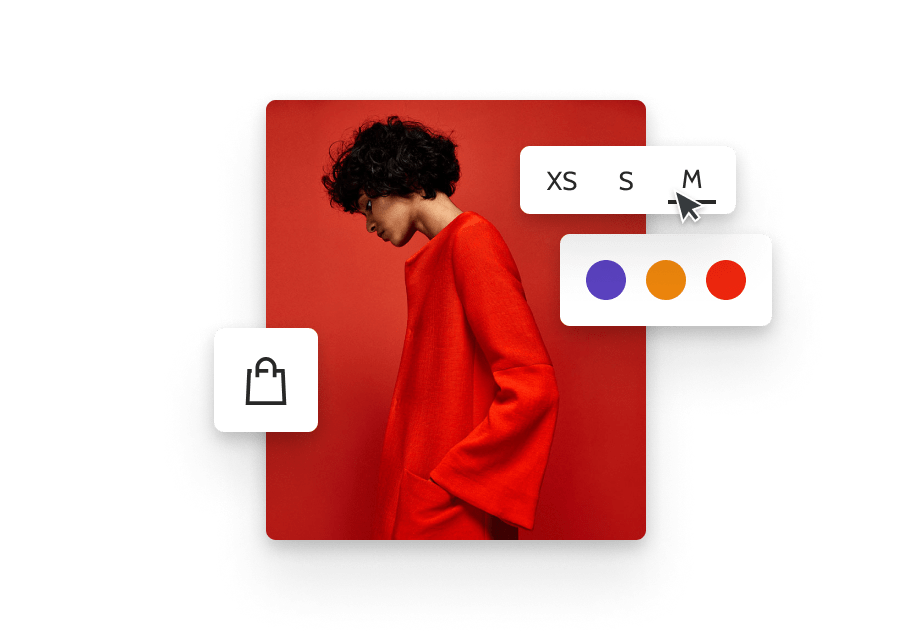


The digital landscape has fundamentally transformed the way users interact with content, products, and services. As interfaces become increasingly sophisticated, the need for effective visual communication becomes paramount. An essential element in this evolution is iconography—visual symbols that convey functionality, status, or navigation cues with immediacy and clarity. Today, with users engaging through myriad devices and contexts, refining icon design is not merely aesthetic but crucial for enhancing user experience (UX) and ensuring intuitive interactions.
Understanding the Significance of Icon Design in UI/UX
Icons serve as the bridge between user intention and digital response. When well-designed, they communicate complex actions with minimal cognitive load, fostering seamless navigation. Conversely, poor iconography can lead to confusion, frustration, and increased dropout rates, especially in high-stakes environments such as e-commerce, financial services, or enterprise applications.
| Function | Description | Industry Examples |
|---|---|---|
| Navigation | Guiding users through digital environments effortlessly | Mobile apps with tab icons, website menus | Action Indication | Showing possible user actions clearly | Play buttons, menu toggles |
| Status Indicators | Providing real-time updates or feedback | Loading spinners, notification icons |
| Visual Hierarchy | Prioritising elements through size, colour, or transparency | Call-to-action icons, semi-transparent overlays |
The Power of Visual Hierarchy: Transparency and Overlay Techniques
One notable trend in iconography is the use of semi-transparent elements to create depth and focus within complex interfaces. Transparency not only adds aesthetic appeal but also improves functional clarity. For example, overlay icons with varying opacity levels can guide users’ attention without obscuring underlying content.
“Using semi-transparent icons allows designers to integrate functional cues smoothly into the visual fabric of an interface, reducing clutter and enhancing user immersion.” — Jane Doe, UX Design Lead
Emerging Trends: Dynamic and Context-Aware Icons
Innovative interfaces increasingly leverage dynamic iconography—icons that adapt based on context, user interaction, or real-time data. These icons often employ visual effects such as overlays, animations, or transparency adjustments to communicate change subtly and efficiently.
For instance, in complex financial dashboards, semi-transparent multiplier icons can indicate scaling factors or data multipliers, providing users with immediate visual cues without overwhelming the core content. An insightful resource that exemplifies such usage is this website, which features an innovative set of semi-transparent multiplier icons.
Technical and Aesthetic Considerations in Icon Design
- Clarity and Simplicity: Minimalist designs ensure icons are easily recognizable at various sizes.
- Consistency: Uniform style, colour palette, and transparency levels foster coherence across the interface.
- Accessibility: Icons should be distinguishable for users with visual impairments, often by combining with textual labels or using high contrast.
- Scalability: Icons, especially with transparency, should maintain clarity across different resolutions and device screens.
Conclusion: The Future of Visual Cues in Digital Design
As digital interfaces become more complex, the role of visual cues like semi-transparent icons will grow increasingly vital. They enable designers to communicate layered information in an unobtrusive manner, fostering interfaces that are both functional and aesthetically pleasing. The sophisticated use of such elements—like the semi-transparent multiplier icons—demonstrates a convergence of technical mastery and aesthetic excellence, setting new standards for user engagement and clarity in digital environments.
In essence, evolving iconography practices are not just about adornment but about augmenting the cognitive landscape of users, making digital interactions more intuitive and enjoyable.